PRP in Denver, CO

Platelet-rich plasma (PRP) therapy offers a cutting-edge solution for patients seeking to accelerate healing, reduce discomfort, and improve recovery outcomes following oral surgery or dental procedures. Many individuals turn to PRP to address concerns such as delayed healing after extractions, gum or bone regeneration needs, or support for dental implants. By harnessing the body’s own growth factors, PRP can enhance tissue repair, minimize inflammation, and promote stronger, healthier results.
PRP in Denver, CO Banner
PRP Treatment Denver, CO Banner

What Is PRP Therapy?

PRP therapy uses a concentrated portion of your own blood to promote healing and tissue regeneration. Unlike normal blood, which contains red blood cells, white blood cells, and other components in balanced amounts, PRP focuses on the parts that support repair. During the procedure, a small blood sample is drawn and processed to separate the liquid component from the cellular components. This liquid component is rich in platelets, which contain growth factors found in your blood that help stimulate tissue repair.
By concentrating growth factors, PRP therapy offers advanced healing properties, supporting faster recovery and improved outcomes for a variety of oral and dental procedures.


Oral Issues Treated with PRP

  • Bone grafting and regeneration
  • Soft tissue injuries in the mouth
  • Chronic oral inflammation
PRP Treatment in Denver, CO Banner

Preparation for PRP Treatment

Before starting PRP treatment, Dr. Nesiba will first review your individual needs and create a detailed treatment plan. This plan will outline how the PRP preparations will be collected and applied to target the specific oral issues you are addressing. Patients are usually advised to avoid certain anti-inflammatory medication prior to the procedure, as these can interfere with the effectiveness of the platelets. During your consultation, Dr. Nesiba will also discuss potential risks associated with PRP therapy, ensuring you have a clear understanding of the procedure and what to expect for a safe and effective outcome.

PRP Injection Procedure

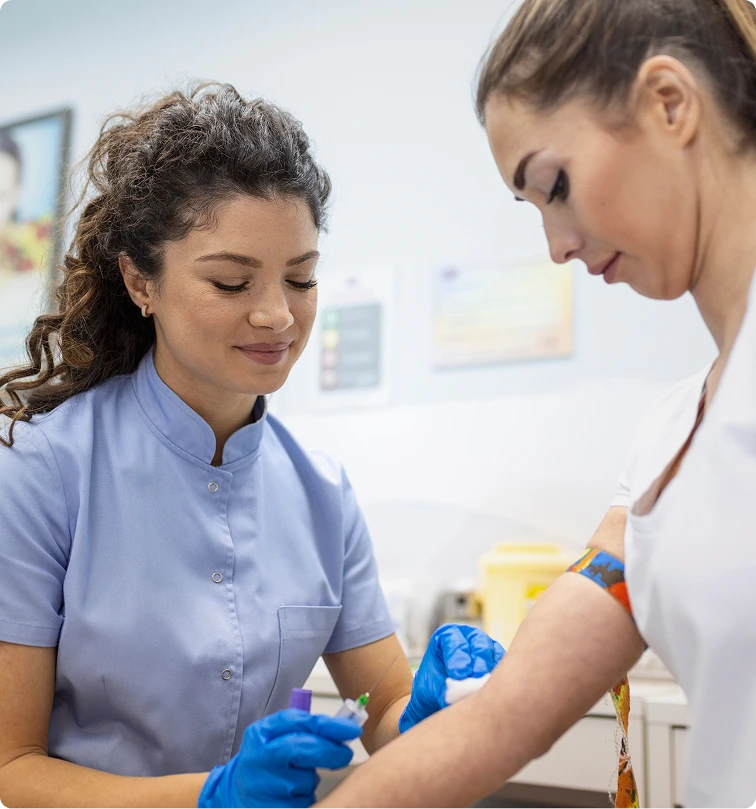
The first step of PRP therapy involves drawing a small amount of your own blood, similar to a routine blood test. This blood will serve as the source of the concentrated platelets, which are essential for promoting healing. The process is quick, usually taking just a few minutes, and may cause only mild pain or discomfort for some patients.
Once the blood is collected, it is placed in a specialized centrifuge to separate the platelets from the other components. This process isolates the concentrated platelets and prepares them for treatment. The preparation typically takes 15-30 minutes, ensuring that the platelets are ready to maximize the healing properties when applied.
Before the PRP is applied, Dr. Nesiba may use a local anesthetic to numb the area and ensure patient comfort. In some cases, ultrasound guidance is used to accurately target the tissue that requires treatment. The concentrated platelets are then injected directly into the affected area, such as the gums, bone, or soft tissue, at the injection site. This targeted delivery enables PRP to stimulate repair and regeneration in the areas that need it most.
PRP Therapy Denver, CO Banner

Recovery After PRP Treatment

After PRP therapy, the healing process begins almost immediately as the concentrated platelets work to stimulate tissue repair. Patients may notice some mild soreness or swelling in the affected area, which is a normal part of the body’s response to the treatment. Most individuals can return to their regular activities quickly, but it is important to follow Dr. Nesiba’s instructions to ensure the best results. The regenerative effects continue over the following days and weeks, supporting the formation of stronger, healthier tissue in the treated area.

Candidates for Platelet-Rich Plasma Therapy

Not everyone is an ideal candidate for PRP therapy, so a consultation with Dr. Nesiba is essential to determine if the treatment can meet your oral health needs. PRP is most effective for patients who are committed to supporting their body’s natural healing process and addressing specific dental or oral concerns. Candidates typically include:

PRP Therapy in Denver, CO Banner

Benefits of PRP Therapy

Cost of PRP Therapy in Denver, CO

The cost of PRP therapy in Denver, CO typically ranges from $500 to $1,500 per session, depending on the treatment area and the complexity of the procedure. Factors such as the number of sessions needed, the extent of damaged tissue, and any underlying chronic conditions can also influence the final price. To ensure effective treatment with platelet-rich plasma, Denver patients should work closely with Dr. Nesiba to develop a plan tailored to their specific treatment area and health needs.

Enhance Your Healing Process with Regenerative Medicine

Regenerative medicine offers advanced solutions to help patients recover more effectively after surgical procedures. By combining the patient’s blood platelets and stem cells, treatments can be tailored to the targeted area to promote healing and reduce pain. These therapies are particularly beneficial for individuals undergoing plastic surgery or dental and oral procedures, as they support tissue repair and enhance overall recovery. Incorporating regenerative techniques allows the body to use its own natural resources to rebuild and strengthen tissues, improving outcomes and patient comfort throughout the healing process.
Platelet-Rich Plasma in Denver, CO Banner

FAQs

Many patients begin noticing improvements within a few weeks as tissue regeneration progresses. The full benefits continue to develop over several months as the platelets stimulate ongoing repair in the targeted area.
Some patients may see improvement with non-invasive procedures. However, PRP is a comprehensive treatment option that enhances the body’s natural healing response by using concentrated platelets from your own blood. While therapies like laser treatments or topical medications can offer support, they typically do not provide the same level of targeted biological repair that PRP delivers.
Yes, PRP is widely used beyond oral and dental applications and can support healing in several areas of the body. It is commonly used to address hip pain, plantar fasciitis, patellar tendonitis (jumper’s knee), and lateral epicondylitis (tennis elbow). PRP is also used for tendon disorders, orthopedic conditions, and injuries that do not fully respond to physical therapy alone. Although rare, patients with a history of blood clots should discuss their symptoms and medical history with their provider before undergoing PRP.