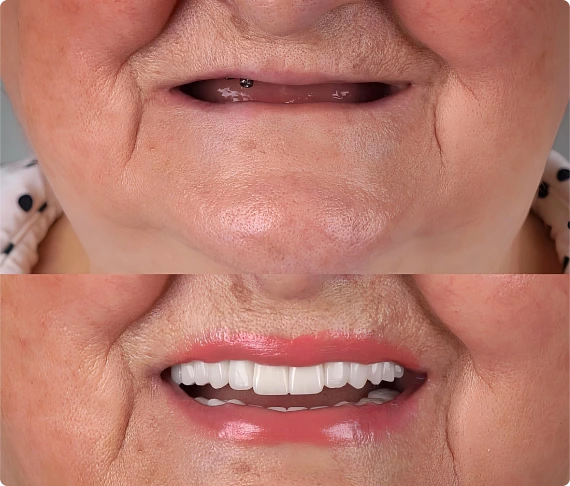

If you’re considering dental implants to replace missing teeth, one of your biggest concerns is likely about pain. The good news is that most patients report minimal discomfort during the actual procedure thanks to modern anesthesia and sedation options. While you can expect some soreness and swelling during the recovery period, the pain is typically manageable with over-the-counter medications and usually milder than many people anticipate. Understanding what happens at each stage of the process can help you prepare mentally and physically for your journey to a restored smile.
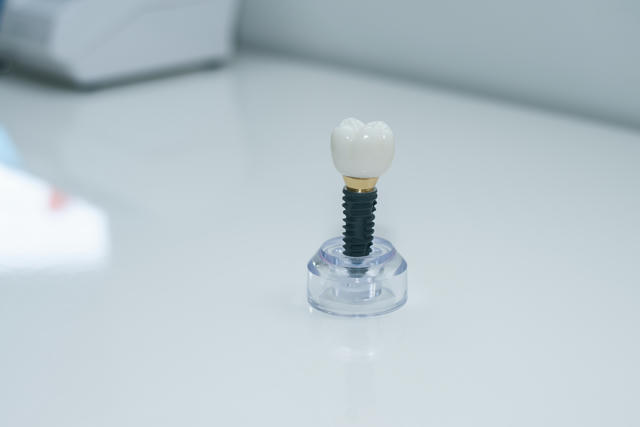
The dental implant process involves replacing a missing tooth root with a titanium post that’s surgically placed into your jawbone. This artificial tooth root serves as a foundation for a crown that looks and functions like your natural teeth. The entire process typically unfolds in several stages over several months, allowing your bone and implant to integrate properly.
During dental implant surgery, your dentist or oral surgeon will use local anesthesia to numb the area completely. Many practices also offer sedation options ranging from nitrous oxide to IV sedation for patients who experience dental anxiety. Once you’re comfortable and numb, the surgeon makes a small incision in your gum tissue to expose the jawbone.
The surgical site is then carefully prepared by drilling a precise hole into the bone where the titanium implant post will be placed. Despite how this sounds, patients report feeling pressure but no pain during this part of the procedure. The implant is then secured into position, and the gum tissue is sutured closed. The entire surgery typically takes 1-2 hours per implant, though this varies depending on complexity.
The short answer is no – you shouldn’t feel pain during the actual dental implant procedure. Local anesthesia effectively blocks pain signals from the surgical area, though you may feel some pressure, vibration, or pushing sensations. These sensations are normal and don’t indicate that anything is wrong. If you do experience any discomfort during the procedure, inform your dentist immediately so they can administer additional anesthesia.
Once the anesthesia wears off, you can expect some dental implant pain, but it’s usually quite manageable. Most patients describe the discomfort as similar to or less intense than recovering from a tooth extraction. The pain typically peaks within the first 24-48 hours after surgery and gradually decreases over the following week. Common post-operative symptoms include:
Over-the-counter pain medications like ibuprofen or acetaminophen are usually sufficient to manage post-surgical discomfort. Your dentist may prescribe stronger pain medication for the first few days if needed, though many patients find they don’t need prescription-strength relief.
If you require bone grafting before or during your implant placement, you may experience slightly more discomfort. Bone grafting is necessary when your jawbone lacks sufficient density or volume to securely support an implant. This procedure involves adding bone material to your jaw to encourage new tissue development and create a stable foundation for the implant.
The bone grafting procedure adds an extra step to your treatment timeline but significantly improves the long-term success of your implant. Recovery from this additional surgical step typically takes several months as your body integrates the new bone material. During this healing period, you might experience mild soreness, swelling, and bruising, but these symptoms are temporary and manageable with proper care and medication.
The bone growth phase is crucial for implant success. During osseointegration, your jawbone gradually fuses with the titanium implant over 3-6 months. While this waiting period requires patience, it’s essential for creating a stable foundation that can support your artificial tooth for decades. You shouldn’t experience pain during this phase, though you’ll need regular check-ups to monitor progress.
The initial healing phase after surgery lasts about 7-10 days. During this time, you’ll need to follow specific care instructions to promote healing and minimize discomfort. Stick to soft foods, avoid the surgical site when brushing, and use any prescribed antimicrobial rinses to prevent infection.
Week 1-2: You’ll experience the most noticeable symptoms during this period. Swelling peaks around day 2-3 and then gradually subsides. Most patients can return to work within 1-3 days, depending on the complexity of their procedure and their individual healing process.
Months 2-6: This is when osseointegration occurs – the process where your jawbone fuses with the titanium implant. Your dentist will monitor your progress through follow-up appointments to ensure proper healing.
Final Restoration: Once the implant has fully integrated with your bone, your dentist will attach an abutment (connector piece) and finally place the crown to complete your artificial tooth. These appointments involve minimal discomfort and are typically quick procedures.
Compared with other dental procedures, implant surgery generally causes less long-term discomfort than many patients expect. While a root canal or wisdom tooth extraction might have similar initial recovery periods, dental implants offer superior long-term comfort and functionality. The temporary discomfort is a worthwhile trade-off for a permanent solution that feels and functions like a natural tooth.
Many patients report that their concerns about pain were greater than the actual experience. Modern surgical techniques, precise planning, and effective anesthesia have made the process increasingly comfortable over the years.
Once healing is complete, your artificial tooth will be custom-designed to match your natural teeth in color, shape, and size. This final crown is attached to the implant through an abutment, creating a seamless restoration. The placement of the crown typically involves no pain, as the implant itself has no nerve endings. You may feel slight pressure during the attachment process, but it’s generally a comfortable appointment.
Your completed artificial tooth should feel completely natural. Most patients adjust to their implant within a few days and often forget which tooth is the restoration. With proper care, your implant can last a lifetime without causing any discomfort.
Effective pain management starts with following your dentist’s post-operative instructions carefully. Apply ice packs to your face for 15-20 minutes at a time during the first 48 hours to reduce swelling. Keep your head elevated when sleeping to minimize inflammation.
Maintain excellent oral hygiene while being gentle around the surgical site. Rinse with warm salt water several times daily to keep the area clean and promote healing. Avoid smoking, drinking through straws, or consuming hot liquids, as these activities can disrupt healing and increase discomfort.
While some discomfort is normal, certain symptoms warrant immediate attention. Contact your dentist if you experience:
Severe pain that doesn’t respond to medication
Excessive bleeding that doesn’t stop after applying pressure
Fever above 101°F (38.3°C)
Persistent numbness lasting more than 24 hours
Signs of infection, like pus, foul odor, or increasing swelling after day 3
Loosening of the implant
So, are dental implants painful? While dental implant placement involves a surgical procedure, most dental implants cause far less discomfort than many patients anticipate. Your dental professional will review your medical history and create a personalized treatment plan that includes appropriate pain management strategies, including oral sedation for anxious patients. Once the implant fuses with your jawbone during the healing process, you’ll have a stable new artificial tooth that protects your remaining teeth and supports your overall oral health.
The key to a comfortable experience lies in choosing an experienced dental professional who can minimize the risk of implant failure and guide you through each stage of recovery. While the initial surgical procedure requires some patience as your body heals, the long-term benefits of dental implants far outweigh the temporary discomfort. With proper care and realistic expectations about the healing process, you can look forward to a restored smile that functions naturally and comfortably for years to come.
Our caring, Board-Certified Oral Surgeon has helped thousands of patients achieve better dental health, ensuring a comfortable and supportive experience every step of the way.