

Pre-Prosthetic Dental Surgery in Denver, CO

Pre-prosthetic surgery is an important step in preparing the mouth for dentures or other dental prosthetics. It involves refining the shape of the gums and underlying bone to ensure a stable, comfortable, and natural fit. This process can include reshaping or smoothing bone, removing excess tissue, or addressing other anatomical concerns that could interfere with a proper fit.
At Cherry Creek Oral Surgery in Denver, our team performs these procedures with precision and care, helping patients achieve optimal comfort and long-lasting results from their restorations.

Types of Pre-Prosthetic Surgery

Depending on each patient’s oral anatomy, pre-prosthetic surgery may involve smoothing uneven bone surfaces, removing excess gum tissue, or reshaping areas of the jaw to improve denture alignment and retention. By refining the oral foundation before denture placement, these procedures help enhance long-term comfort, function, and aesthetics.
When bone ridges or irregularities interfere with the fit of a denture, bone smoothing or reshaping (also called alveoloplasty) may be recommended. This procedure involves carefully contouring the jawbone to eliminate sharp edges or uneven surfaces that could create pressure points beneath the denture. By refining the bone structure, Dr. Nesiba creates a smoother foundation for the prosthetic, improving both comfort and stability.

Bone reshaping can also be performed after a tooth extraction to promote even healing and ensure that the denture fits properly once the tissues have recovered.

Soft tissue corrections focus on improving the condition and contour of the gums and surrounding oral tissues. These procedures may include removing excess gum tissue, releasing tight muscle attachments (frenectomy), or reshaping the soft tissues to achieve an even surface for denture placement. Proper soft-tissue contouring helps prevent irritation, enhances denture retention, and allows for a more natural appearance when the prosthesis is in place.

At Cherry Creek Oral Surgery, these refinements are performed with precision and attention to comfort, ensuring the soft tissues heal smoothly and support long-lasting results.

Your Initial Consultation

The first step in preparing for pre-prosthetic surgery involves a comprehensive consultation. During this visit, Dr. Nesiba reviews your medical and dental history, conducts a thorough examination of your mouth, and takes detailed imaging to assess the bone and soft tissue structure.
This evaluation determines which procedures are necessary to provide a stable, comfortable foundation for your dentures. Patients also have the opportunity to discuss their goals, ask questions, and receive a clear explanation of the recommended treatment plan. Our team ensures every step is explained thoroughly so you feel informed, confident, and supported throughout the process.

What to Expect During Oral Surgery

The procedure begins with anesthesia, so you do not feel pain. Most of the time, Dr. Nesiba uses local anesthesia, which numbs only the area being treated. You stay awake, but the mouth feels completely numb. In some cases, especially if more work is needed, sedation may also be used to help you relax.
Once the area is numb, Dr. Nesiba makes a small cut in the gum tissue. This allows access to the bone underneath. The gum tissue is gently lifted back so the doctor can clearly see and reach the areas that need to be shaped or corrected.
If the jawbone has sharp edges, bumps, or uneven areas, they are carefully smoothed. Special dental instruments are used to reshape the bone, so it becomes smooth and rounded. This helps prevent sore spots and allows a denture to sit more evenly on the gums.
Some people have extra bone growths in their mouths. These may appear on the roof of the mouth or along the inside of the lower jaw. If they interfere with how a denture will fit, they are removed during surgery. The gum is lifted, the extra bone is carefully taken away, and the area is smoothed.
Sometimes there is too much loose or uneven gum tissue. Dr. Nesiba may trim or reshape this tissue to create a firm, even surface. This helps the future denture fit better and stay more stable.
After completing all adjustments, the area is rinsed with a sterile solution to remove small bone pieces or debris. Dr. Nesiba also makes sure bleeding is controlled before closing the gums.
Finally, the gums are placed back into position and stitched closed. The stitches help hold the tissue in place while it heals and protect the newly shaped bone.

Recovery After Pre-Prosthetic Dental Surgery

Recovery after pre-prosthetic dental surgery varies with the specific procedure performed, but most patients can expect mild to moderate swelling, tenderness, and minor bleeding for the first few days. Discomfort is typically manageable with prescribed or over-the-counter pain medication, and following Dr. Nesiba’s post-operative instructions carefully will significantly support healing. Maintaining good oral hygiene (while avoiding the surgical area as directed), eating soft foods, and allowing adequate rest are key factors in ensuring a smooth recovery and preparing the mouth for a successful prosthetic fit. Recovery Timeline
  • Mild bleeding and swelling are common
  • Use gauze as directed to control bleeding
  • Apply cold compresses intermittently to reduce swelling
  • Stick to soft and cool foods; avoid rinsing vigorously
  • Swelling may peak during this period
  • Bruising and mild discomfort are normal
  • Begin gentle saltwater rinses if advised
  • Continue your soft food diet
  • Swelling and discomfort gradually decrease
  • Sutures (if non-dissolvable) may be removed around this time
  • Return to light normal activities as tolerated
  • Gum tissue continues to heal and reshape
  • Follow-up appointment to assess healing progress
  • Your dentist evaluates readiness for impressions or the next treatment phase
  • Bone healing continues beneath the surface
  • Final healing confirmed before proceeding with prosthetic placement

Candidates for Pre-Prosthetic Dental Surgery

Candidates for pre-prosthetic dental surgery are individuals who require modifications to the gums or jawbone to improve the fit, comfort, and function of a future dental prosthetic.
  • Patients with excess bone, sharp bony edges, or an uneven ridge may benefit from reshaping procedures that create a smoother foundation for dentures or other restorations.
  • Those with irregular gum tissue, prominent frenum attachments, or areas of tissue overgrowth may also need minor surgical correction before moving forward with prosthetic treatment.
  • In addition, patients who have experienced bone loss after extractions or long-term tooth absence may require contouring or augmentation to enhance stability and long-term success.

Ideal candidates are generally in good overall health and committed to following post-operative care instructions, as healing plays a critical role in the final outcome. By improving the structure of the oral tissues, these procedures enhance a patient’s ability to achieve a secure prosthetic fit. Dental professionals strive to create a stable, well-shaped foundation that supports both function and aesthetics for lasting results.

Benefits of Pre-Prosthetic Dental Surgery

Pre-prosthetic dental surgery helps create a stable foundation for dentures or other dental prosthetics. By reshaping bone and soft tissue as needed, this preparatory step improves both the fit and the long-term success of the final restoration. Key Benefits:

Cost of Pre-Prosthetic Dental Surgery in Denver, CO

In Denver, the cost of pre-prosthetic dental surgery generally ranges from about $500 to $3,000 or more, depending on the complexity of the procedure, the amount of bone or soft tissue work required, and whether additional treatments (like extractions or bone grafting) are involved. Prices can vary across dental practices in Colorado based on experience, technology used, and whether imaging or sedation is included. Many offices offer payment plans or work with insurance to help manage costs.

For specific pricing and to see what options might be available for your situation, call us or fill out a form on our website, and our team will provide a personalized estimate and answer any questions you have.
Enhance Your Dental with Advanced Maxillofacial Surgery

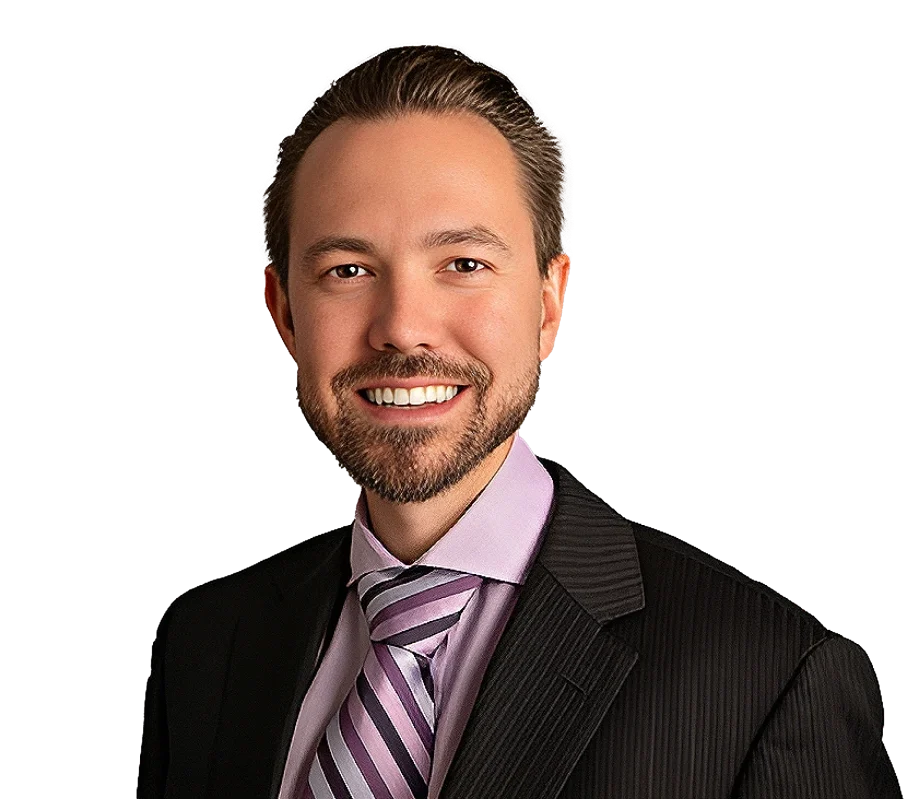
Enhance your dental health and overall well-being with advanced oral and maxillofacial surgery that restores function and aesthetics. Dr. Nesiba is a triple-board-certified oral surgeon who is highly accomplished in a full range of oral and maxillofacial surgery procedures, including wisdom tooth removal, treatment involving the jaw bones, and corrective procedures like mandibular osteotomy. With exceptional skills and extensive expertise, he provides comprehensive services tailored to each patient’s needs. The ultimate goal is to help you achieve a healthy smile that supports long-term function and renewed confidence.
If you are considering treatment, we encourage you to schedule an appointment at our office to discuss your options and create a personalized care plan.
Platelet-Rich Plasma in Denver, CO Banner

Frequently Asked Questions (FAQs)

Many dental implants require pre-prosthetic surgery to ensure the best foundation for a successful implant. Before proceeding, a careful diagnosis is made to assess bone structure, gum health, and alignment. Pre-prosthetic surgery helps shape the jaw and soft tissues to support the implant, creating a more natural smile. This preparatory step can make a significant improvement in both the function and appearance of the final restoration.
Bone grafting, or augmentation, is often needed when the jawbone lacks sufficient volume to support an implant. While it can be performed at various stages of life, the typical age range for bone grafting is usually adults in their 20s to 70s, depending on bone loss and prior tooth loss. Proper grafting contributes to a better outcome for implant stability and overall reconstruction, ultimately leading to an improved quality of life through restored chewing function and confidence.
Yes, patients who have experienced facial trauma often require reconstructive surgery to restore form and function. The human body may have complex injuries involving bones, nerves, and soft tissues, requiring careful planning before implant placement or tooth replacement. In some cases, extraction of damaged teeth or bone fragments is necessary to prepare the area for successful reconstruction and long-term stability.