

Oral Surgery Procedures
in Denver, CO
Experience expert oral care at Cherry Creek Oral Surgery, your trusted destination for advanced oral and maxillofacial procedures in Denver. We understand that oral health is essential to overall well-being, which is why our skilled surgeons provide personalized treatment for a wide range of conditions. From tooth extractions and wisdom teeth removal to soft tissue surgery and infection management, we ensure precise, comfortable care tailored to your needs. Using state-of-the-art technology and the latest surgical techniques, we focus on restoring function, enhancing aesthetics, and preventing future complications. Whether you need emergency treatment for dental trauma or specialized procedures like oral biopsies, our dedicated team is here to support you every step of the way. At Cherry Creek Oral Surgery, your comfort, health, and satisfaction are our top priorities. Trust us to provide exceptional care, helping you achieve a healthier, pain-free smile with expert oral surgery solutions.
Table of Contents
table of contents
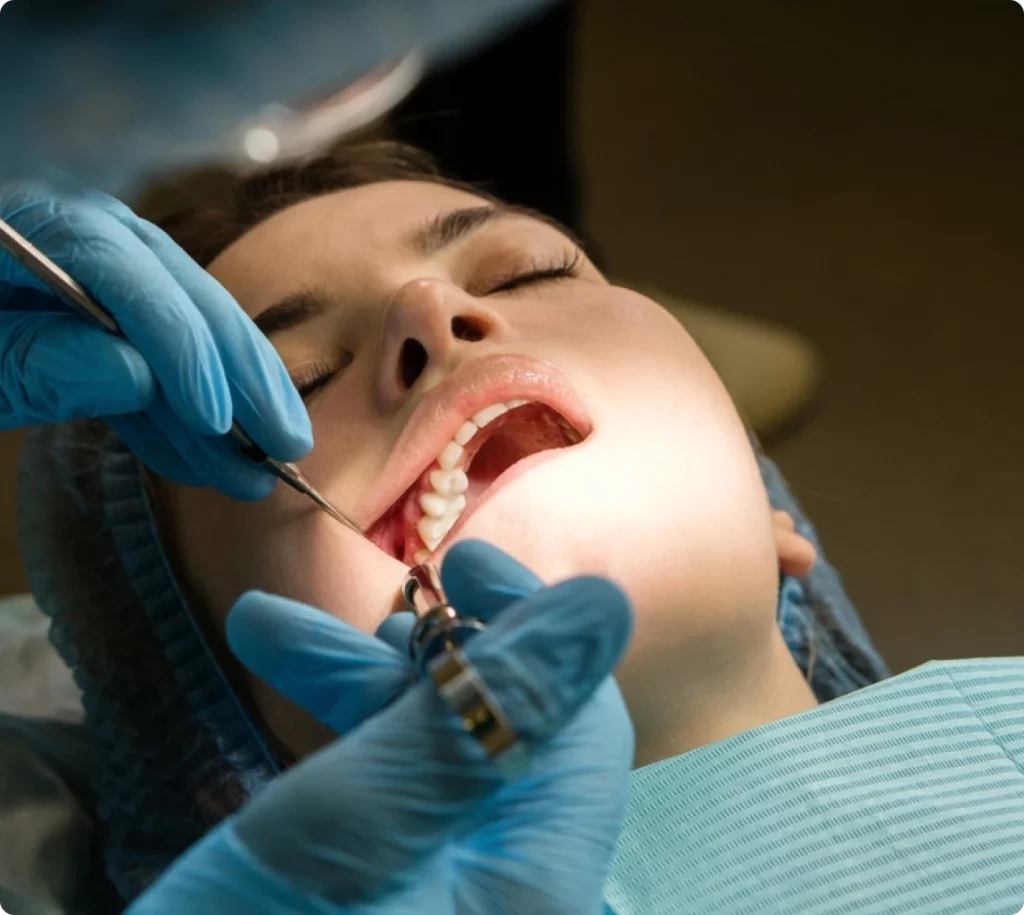
Tooth Extractions
Tooth extractions remove damaged, decayed, or problematic teeth to protect oral health. This procedure prevents infection, alleviates pain, and prepares the mouth for restorative treatments if needed.
- Eliminates severely decayed or damaged teeth
- Prevents infection from spreading
- Relieves dental pain and discomfort
- Creates space for orthodontic treatment or dental implants
Supernumerary (Extra) Teeth Removal
Supernumerary teeth removal addresses extra teeth that may cause misalignment, crowding, or dental complications. This procedure ensures proper tooth positioning and prevents future oral health issues.
- Removes extra teeth causing crowding or misalignment
- Prevents damage to surrounding teeth and gums
- Supports orthodontic treatment and proper bite alignment
- Enhances overall oral function and aesthetics
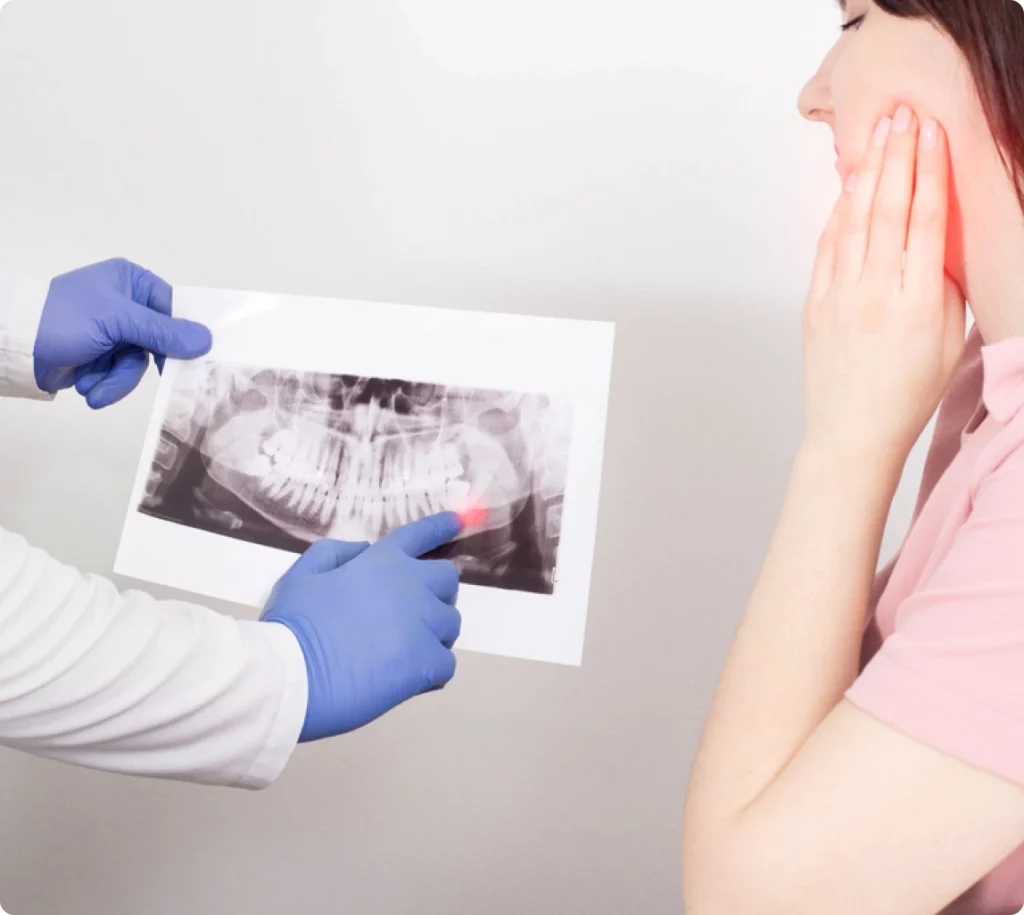
Wisdom Teeth Removal
Wisdom teeth removal prevents overcrowding, pain, and potential infections caused by impacted or misaligned third molars. This procedure protects overall oral health and promotes long-term comfort.
- Prevents pain, swelling, and infection
- Avoids crowding and damage to nearby teeth
- Reduces risk of cysts or gum disease
- Supports optimal dental alignment and health
Dental Trauma Treatment
Dental trauma treatment addresses injuries like fractured, dislodged, or knocked-out teeth to restore function and appearance. Prompt care prevents complications and preserves oral health.
- Repairs chipped, cracked, or broken teeth
- Repositions or stabilizes dislodged teeth
- Treats soft tissue injuries in the mouth
- Prevents infection and long-term damage

Abscess Drainage & Infection Management
Abscess drainage and infection management relieve pain and prevent the spread of bacterial infections in the mouth. This procedure ensures proper healing and protects overall oral health.
- Drains pus to reduce swelling and discomfort
- Eliminates infection to prevent complications
- Promotes faster healing and tissue recovery
- Prevents tooth and bone damage
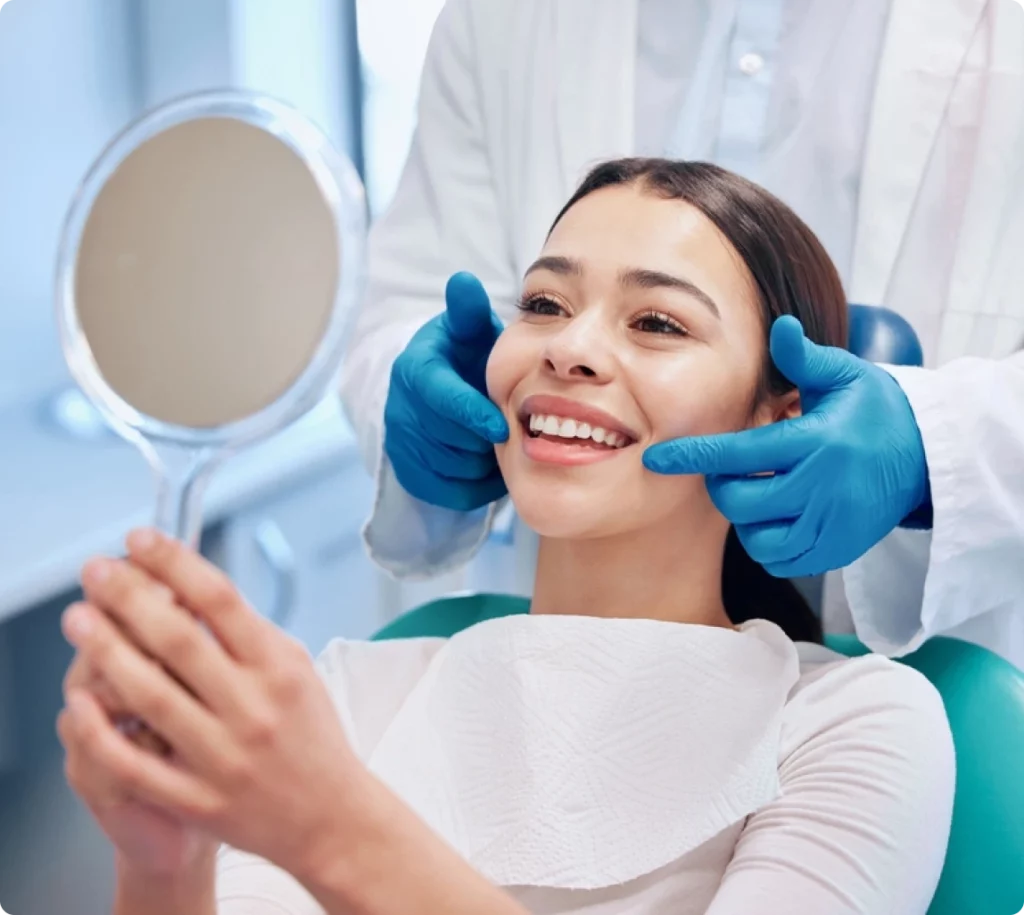
Biopsy & Evaluation of Oral Lesions
Biopsy and evaluation of oral lesions help diagnose suspicious growths or abnormalities in the mouth. Early detection ensures prompt treatment and rules out serious conditions like oral cancer.
- Identifies benign or malignant oral lesions
- Guides treatment planning and next steps
- Minimally invasive and typically quick
- Supports early detection of oral cancer
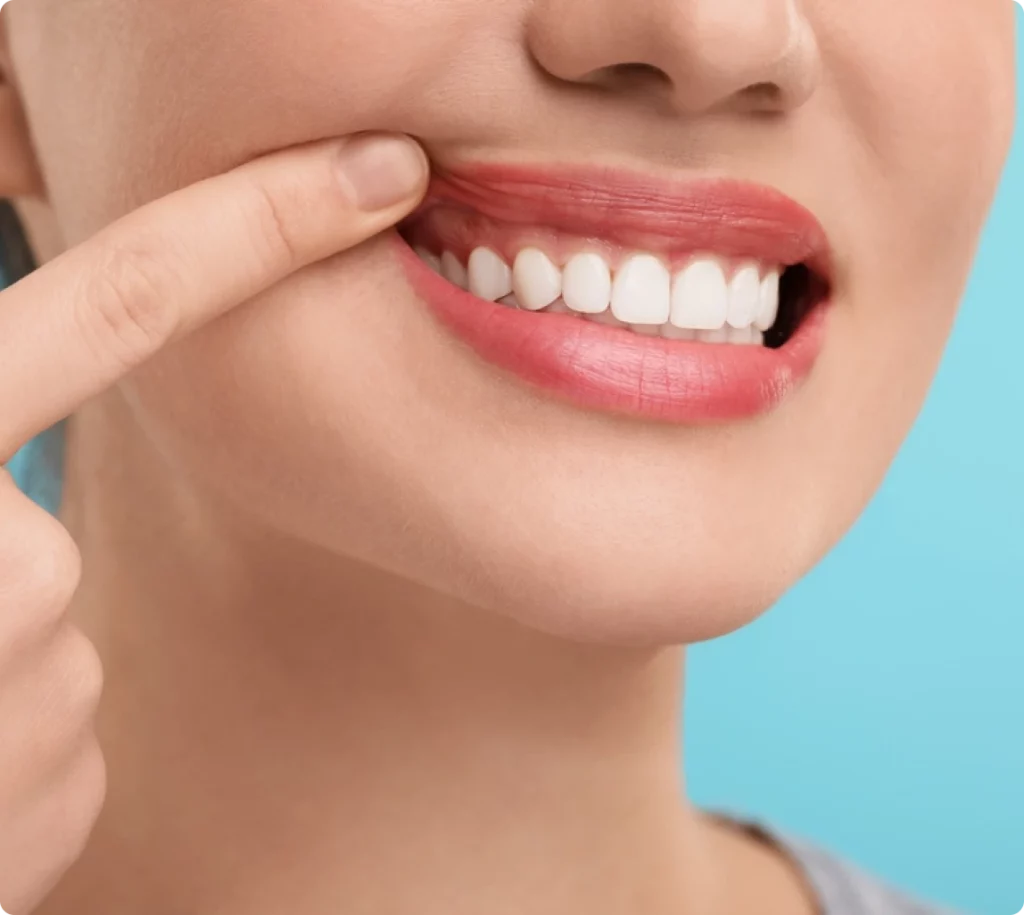
Soft Tissue Surgery
Soft tissue surgery treats gum and oral tissue conditions to improve function, health, and aesthetics. This procedure addresses abnormalities, enhances healing, and prevents complications.
- Corrects gum irregularities and overgrowth
- Treats oral lesions or soft tissue injuries
- Improves gum contour for better aesthetics
- Supports overall oral health and healing
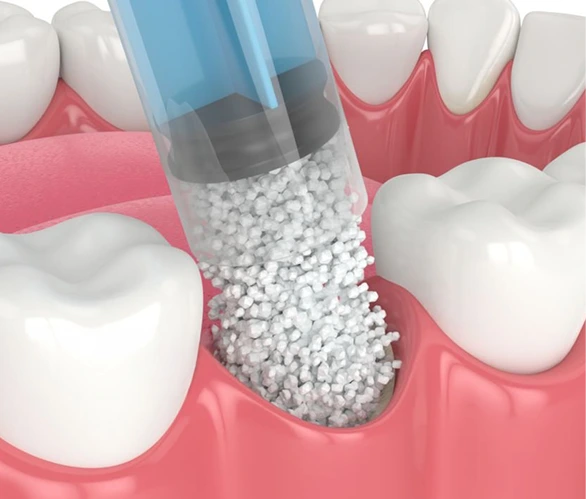
Bone Graft
- Strengthens and rebuilds jawbone structure
- Supports successful dental implant placement
- Prevents bone loss after tooth extraction
- Improves facial structure and oral function

Pediatric Oral Surgery
- Treats issues affecting the baby and developing permanent teeth
- Supports proper jaw and tooth development
- Prevents future complications like crowding or misalignment
- Performed with gentle techniques for child comfort

TMJ Disorders
- Eases jaw pain and tension
- Reduces headaches and facial discomfort
- Improves bite alignment and jaw movement
- Prevents joint deterioration and long-term complications
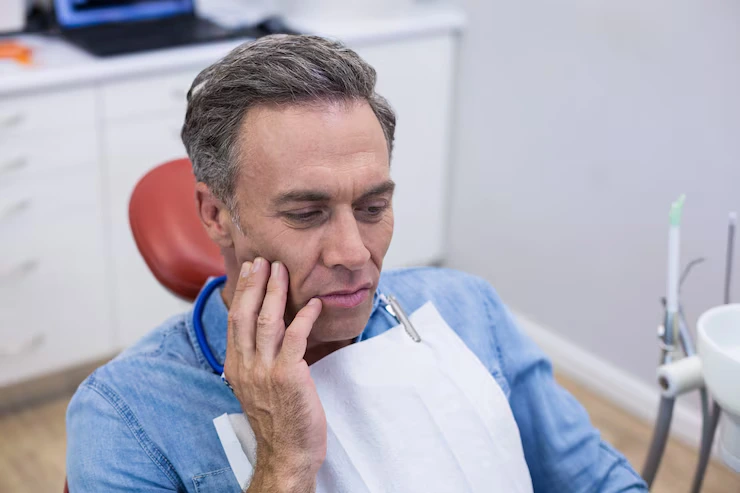
Impacted Teeth Exposure
- Facilitates proper tooth eruption
- Prevents misalignment and overcrowding
- Reduces risk of infection or cyst formation
- Supports effective orthodontic treatment

Jaw Surgery
- Corrects jaw misalignment and bite problems
- Enhances chewing, speaking, and breathing functions
- Improves facial appearance and symmetry
- Often part of orthodontic treatment plans
All-on-4 Implants
- Restores a full set of teeth with minimal implants
- Offers immediate function and improved aesthetics
- Requires less bone than traditional implants
- Fixed, stable, and natural-looking solution
Ridge Augmentation
- Reconstructs jawbone after bone loss
- Provides a stable foundation for implants
- Improves facial contour and symmetry
- Enhances long-term success of restorations
Sinus Lift
- Adds bone height for upper jaw implants
- Safe and effective procedure for implant candidates
- Prevents sinus cavity encroachment
- Improves stability and longevity of implants
Socket Preservation
- Prevents bone shrinkage and gum collapse
- Maintains ridge height and contour
- Enhances aesthetics and function
- Facilitates future dental restoration success

Platelet Rich Plasma (PRP)
- Enhances wound healing and bone regeneration
- Reduces post-operative discomfort and swelling
- Low risk—derived from the patient’s own blood
- Speeds recovery after oral surgical procedures
Platelet Rich Fibrin (PRF)
- Promotes faster, natural healing
- Improves soft and hard tissue regeneration
- Biocompatible and autologous (from patient’s blood)
- Ideal for use in extractions, implants, and grafts
Hard Tissue Biopsies
- Diagnoses bone lesions or abnormalities
- Helps detect cysts, tumors, or infections
- Guides treatment planning and oral health decisions
- Safe, minimally invasive diagnostic tool

Soft Tissue Biopsies
- Identifies benign or malignant tissue changes
- Supports early detection of oral diseases
- Aids in accurate diagnosis and treatment
- Minimally invasive and quick recovery
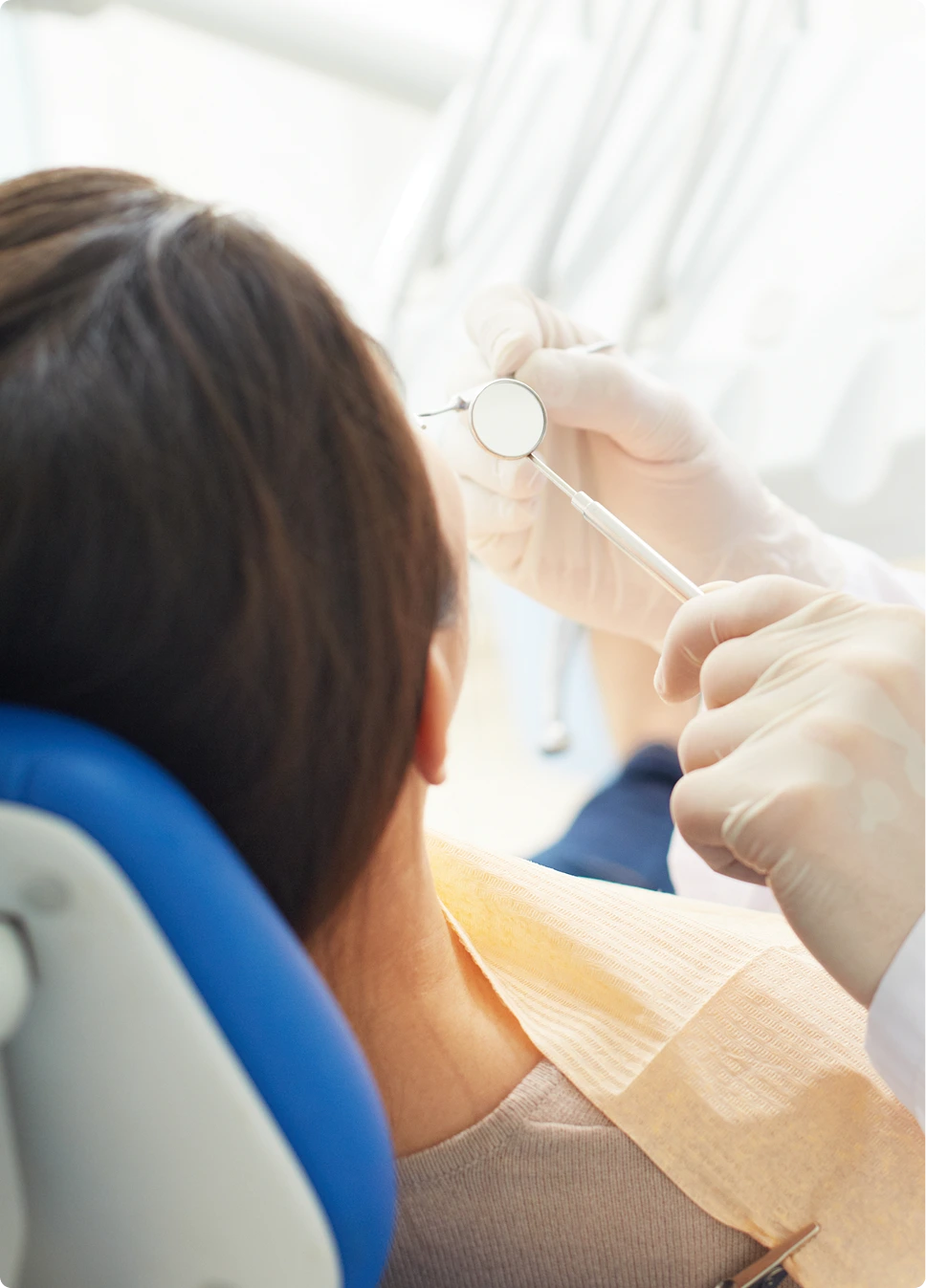
Oral Cancer Screening
- Detects precancerous or cancerous lesions early
- Enhances treatment outcomes with timely diagnosis
- Quick, non-invasive screening process
- Promotes overall oral and systemic health
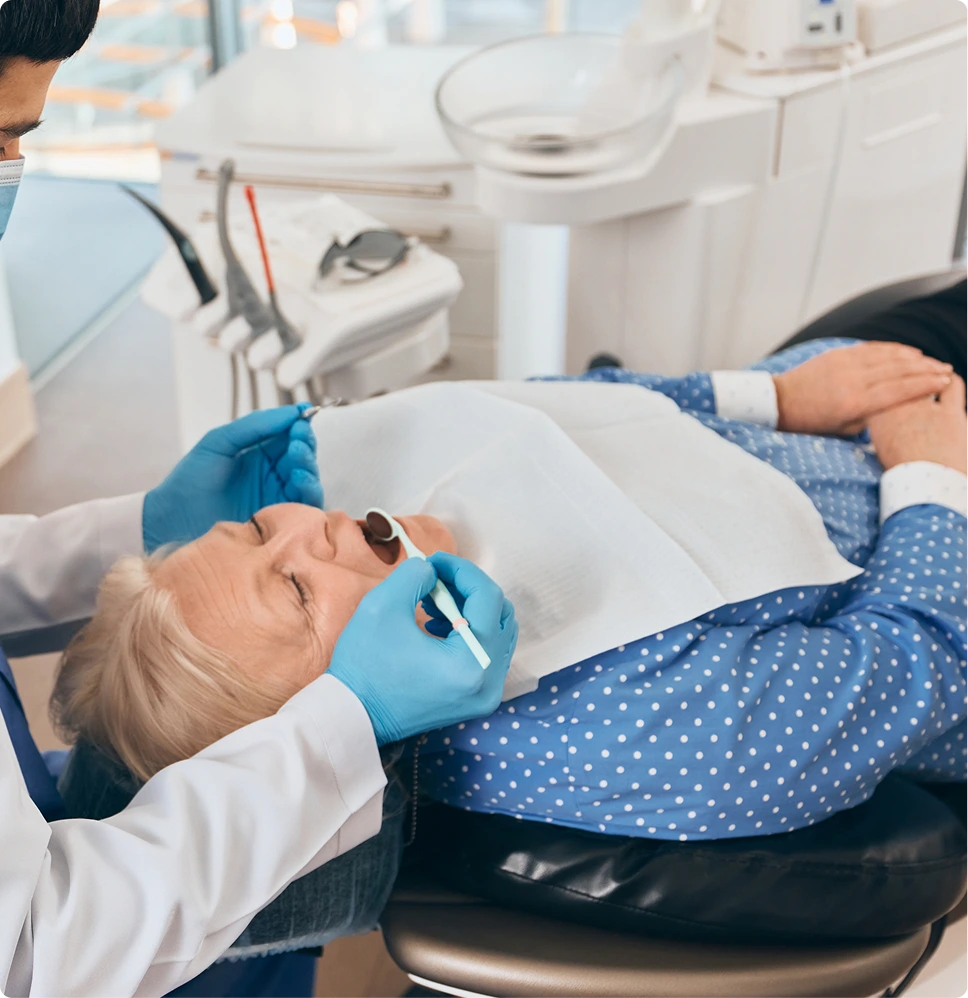
IV Sedation Dentistry
- Reduces fear and discomfort during surgery
- Allows multiple treatments in one visit
- Monitored for safety throughout the procedure
- Promotes smoother recovery and less stress
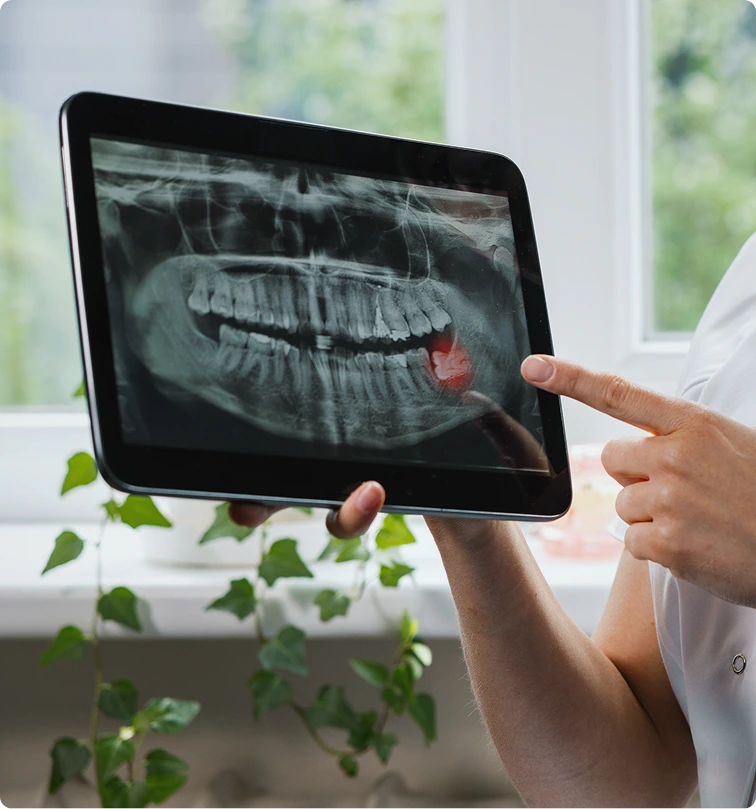
Impacted Wisdom Teeth Removal
- Relieves jaw pain and swelling
- Prevents cysts, decay, and gum disease
- Protects alignment of surrounding teeth
- Promotes long-term oral health
Single Implant
- Replaces a missing tooth permanently
- Preserves jawbone and prevents bone loss
- Restores natural chewing and speaking function
- Supports adjacent teeth and overall oral health
Pre-Prosthetic Dental Surgery
- Enhances fit and stability of dentures or implants
- Reshapes bone and gum tissue for optimal support
- Improves comfort, function, and oral health
- Creates a strong foundation for long-lasting results

Oral Biopsy
An oral biopsy is a diagnostic procedure used to remove a small sample of tissue from the mouth for laboratory examination. It helps identify abnormal growths, infections, or potential oral diseases, ensuring early and accurate diagnosis.
- Detects oral lesions, infections, and suspicious tissue changes
- Helps diagnose precancerous or cancerous conditions early
- Quick, minimally invasive procedure with local anesthesia
- Guides precise treatment planning based on lab results

Frequently Asked Questions (FAQs)
Can I go straight to an oral surgeon without a referral?
Yes. Cherry Creek Oral Surgery sees self-referred patients from across Denver every day. Many come directly for wisdom teeth, implants or a painful broken tooth. If you were referred by a dentist or orthodontist, bring their notes and X-rays and we will coordinate your care with them.
What is the difference between an oral surgeon and a dentist?
A general dentist completes dental school. An oral and maxillofacial surgeon completes dental school plus a four- to six-year hospital surgical residency that includes anesthesia, trauma and reconstructive surgery. Dr. Nesiba also earned an MD during his six-year residency at the Detroit Medical Center and is triple board-certified.
How much does oral surgery cost in Denver?
It varies widely by procedure. Published market averages range from a few hundred dollars for a simple extraction to several thousand for implants, bone grafting or jaw surgery. These are averages, not our fees. We are in-network with most major dental plans and offer financing, and Dr. Nesiba gives an exact written quote after your exam. book a consultation to get yours.
Is oral surgery risky?
Serious complications are uncommon when surgery is performed by a board-certified oral surgeon with medical training. Dr. Nesiba is an MD and DDS with ACLS and PALS certification, performs more than 2,000 sedation cases a year, and holds privileges at several Denver-area hospitals. Risks specific to your procedure are reviewed in detail before you consent.
Will I be put to sleep for oral surgery?
Most surgical procedures at our Denver office are done under IV sedation administered by Dr. Nesiba, so you are comfortably asleep and remember little. Local anesthesia and nitrous oxide are also available for simpler procedures. You will need a driver on the day of sedation.
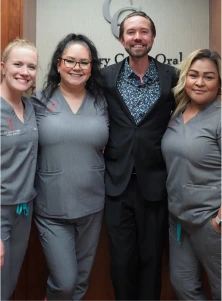
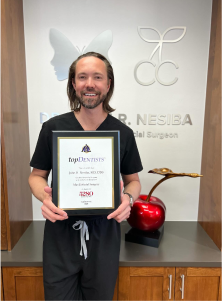
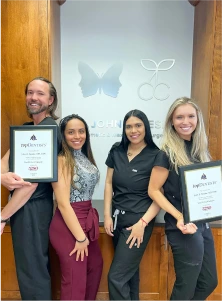
Our caring, Board-Certified Oral Surgeon has helped thousands of patients achieve better dental health, ensuring a comfortable and supportive experience every step of the way.