


How Much Does Wisdom Teeth Removal Cost in Denver?
Wisdom teeth removal in Denver, CO, typically ranges from a few hundred dollars for a simple extraction to over a thousand dollars for a more complex, impacted tooth – with the total cost depending on how many teeth are removed, the position of each tooth, the type of anesthesia, and whether sedation is used. At Cherry Creek Oral Surgery, the process begins with a $50 consultation fee, which is applied toward the cost of your procedure if you decide to move forward. This article breaks down what goes into that price and what you can expect to pay.
What Are Wisdom Teeth?
Wisdom teeth, or third molars, are the last set of teeth to emerge, usually appearing in the late teens or early twenties. For many people, there simply isn’t enough room in the jaw for these teeth to erupt properly – causing them to become “impacted,” or trapped beneath the gum line or bone.
Dr. John R. Nesiba and his team specialize in wisdom teeth removal for patients of all ages, using careful planning and imaging to protect the surrounding teeth, nerves, and jawbone.
Average Cost of Wisdom Teeth Removal in Denver, CO
In the Denver metro area, removing a single wisdom tooth can cost between $250 and $1,000. Removing all four wisdom teeth under sedation is naturally more expensive, often ranging from $1,500 to $4,000 or more once imaging and sedation are factored in.
Every mouth is different, which is why a personalized evaluation is the only way to get an accurate number. During your consultation, we provide a detailed treatment plan with a clear breakdown of costs before you schedule surgery.
Cost by Type of Extraction (Simple vs. Impacted)
The single biggest factor in pricing is whether the extraction is simple or surgical:
Simple extraction – The tooth has fully erupted and is visible above the gum line. These are the least invasive and least expensive to remove.
Soft tissue impaction – The tooth is partly covered by gum tissue and requires a small incision to access and remove it. This option is more costly.
Bony impaction (partial or full) – The tooth is partially or completely trapped in the jawbone. It requires removing a small amount of bone and may need to be sectioned into pieces for removal. This is the most involved and typically the most costly type.
Learn more about how we handle challenging cases on our impacted wisdom teeth page.
Sedation and Anesthesia Costs
Anesthesia is a separate line item that affects your total, and your comfort and safety are paramount:
Local anesthesia – Numbs the surgical area while you stay fully awake. Typically used for simple extractions and the least expensive option.
IV sedation – The most common choice for wisdom teeth removal, especially with multiple or impacted teeth. Administered intravenously, it puts you in a deeply relaxed “twilight” state. The cost is higher due to medication and continuous monitoring.
Dr. Nesiba will recommend the anesthesia based on your anxiety level, medical history, and surgical complexity.
Factors That Influence Wisdom Tooth Removal Costs
Tooth Position and Complexity
A tooth that sits fully above the gum is quick to remove. A deeply impacted tooth that is angled horizontally or that grows near the inferior alveolar nerve in the lower jaw is far more complex. To plan these cases safely, a 3D X-ray known as a Cone Beam CT (CBCT) scan may be required. This scan shows the tooth’s relationship to nearby nerves and the upper sinus cavity, helping prevent damage during surgery. The imaging is an added cost, but it’s an important part of protecting your long-term health.
Number of Teeth Removed
Most people have four wisdom teeth, but not everyone needs all of them removed at once. Removing a single tooth costs less upfront, but four separate surgeries would cost significantly more due to repeated facility, anesthesia, and surgeon fees. Many patients have all four removed in one appointment – which typically takes about 45 minutes to an hour – because it means one recovery period and one anesthesia session.
Experience of the Oral Surgeon
Wisdom teeth removal is a surgical procedure, and the training of the person performing it matters. Dr. John R. Nesiba is a triple-board-certified oral surgeon who provides personalized, expert care with a focus on precision and comfort. Choosing an experienced surgeon means your case is planned thoroughly from the start, including the imaging needed to avoid nearby nerves and the sinus cavity.
Location and Facility Fees
Where you have your procedure done also plays a role. Operating costs in a major city like Denver are typically higher than in a small town. An oral surgery office equipped with advanced imaging, IV sedation, sterile instruments, and the ability to perform complex extractions incurs certain facility costs – and that specialized environment is part of what enables the team to handle difficult impactions safely.
Additional and Aftercare Costs
The primary costs are the surgeon’s fee, facility fee, and anesthesia fee. Beyond those, a few additional items may appear on your estimate:
The $50 consultation fee (credited toward your procedure)
Imaging, such as a panoramic X-ray or CBCT scan when needed
If you’ve had a panoramic X-ray taken recently at another dental office, it can often be requested and shared, which may reduce imaging costs.
Aftercare and Recovery Expenses
Recovery costs are usually modest but worth planning for:
Prescriptions – Over-the-counter or prescription pain relief, plus possibly antibiotics.
Supplies and soft foods – Gauze and a soft diet (yogurt, soup, smoothies) for the first days.
Time off – Most patients need 2–4 days off work or school to recover comfortably.
Following our detailed aftercare instructions can help ensure a smooth recovery.
Conclusion
Wisdom teeth removal costs in Denver can vary widely based on the complexity of your case, the number of teeth being removed, and the type of anesthesia required. The best way to understand your treatment needs and costs is through a personalized evaluation. At Cherry Creek Oral Surgery, Dr. John R. Nesiba and his team provide comprehensive consultations, transparent pricing, and advanced surgical care to help you make an informed decision and achieve a safe, comfortable recovery.
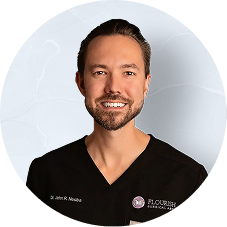
Dr. John Nesiba
