

Ridge Augmentation
in Denver, CO
If you’ve experienced jawbone loss after losing a tooth, ridge augmentation can restore the bone needed to support a healthy smile. Our triple-board-certified oral surgeon, Dr. John R. Nesiba, performs advanced ridge augmentation procedures in Denver to rebuild the jaw and create a strong foundation for long-lasting dental implants.

Table Of Contents
table of contents
What Is Ridge Augmentation?
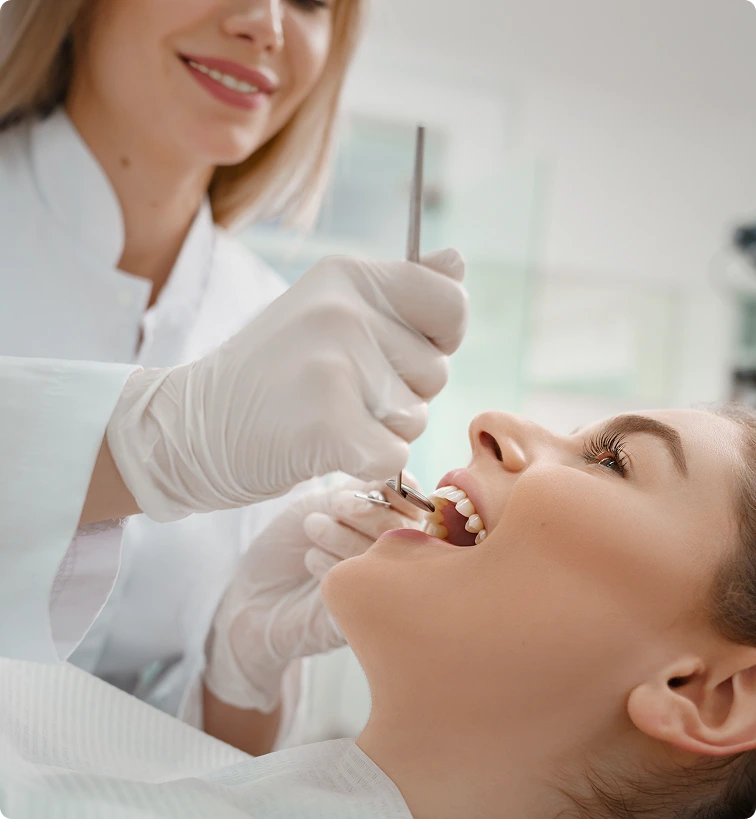
Ridge augmentation is a bone grafting procedure that rebuilds the alveolar ridge – the arch of bone in your upper or lower jaw that once held your natural tooth roots. When a tooth is lost or extracted, the surrounding bone is no longer stimulated by chewing forces and begins to resorb, shrinking in both height and width.
The procedure places graft material into the deficient area, secures it, and allows your body to regenerate new bone around it over several months. The result is a ridge with the volume, contour, and density needed to support dental implants or other prosthetic restorations.
How It Works
Bone grafting works through a biological process called osteoconduction. The graft material acts as a scaffold that your own bone cells migrate into, gradually replacing the graft with living, vascularized bone. A protective membrane is often placed over the site to keep faster-growing soft tissue from filling the space before bone can form.

Why Ridge Augmentation Is Needed
Bone loss in the jaw is progressive and silent. Most patients do not realize a ridge has deteriorated until an implant is planned and imaging reveals there is not enough bone to anchor it safely.
Addressing Bone Loss
Ridge deficiency develops from a number of causes we routinely evaluate:
- Extraction without preservation – the socket collapses inward as it heals
- Long-standing tooth loss – years of missing teeth allow significant resorption
- Periodontal disease – infection destroys the bone supporting the tooth
- Trauma or fracture – injury damages the ridge directly
- Denture wear – pressure from a removable appliance accelerates bone flattening
- Cysts, tumors, or infection – pathology removal can leave a bony defect
Preparing for Dental Implants
A dental implant needs bone on all sides to integrate properly and resist chewing forces. When width or height falls short, placing an implant risks exposed threads, poor stability, and eventual failure. Ridge augmentation restores that margin of safety first, so the implant that follows is placed in an ideal position. A full ridge also supports natural gum contours instead of a sunken shadow beside the crown.
Types of Ridge Augmentation
Not every deficiency requires the same approach. During your evaluation, Dr. Nesiba selects the technique matched to the size, shape, and location of the defect.
Guided Bone Regeneration
Guided bone regeneration (GBR) is the most common approach for moderate horizontal or vertical defects. Particulate graft material is packed into the deficient area and covered with a resorbable or non-resorbable barrier membrane. The membrane excludes soft tissue from the healing site, giving bone cells the protected space they need to rebuild the ridge to full contour.
Block Grafting Techniques
For larger defects – particularly significant vertical loss or severely narrow ridges – a solid block of bone harvested from another area of your jaw or from a donor is secured to the deficient area with small fixation screws. Block grafting provides immediate structural volume where particulate graft alone would not hold shape. The block integrates with the native jaw over several months before the fixation hardware is removed at implant placement.
Socket Preservation
The most efficient ridge augmentation is the one performed the day the tooth comes out. Immediately following extraction, the empty socket is filled with graft material and sealed with a membrane. This prevents the collapse that would otherwise occur, often eliminating the need for a larger, more involved graft later.
The Ridge Augmentation Process
Pre-Procedure Planning
Once your treatment plan is set, our team confirms your surgical date, reviews your medical history, and coordinates sedation. A $250 deposit reserves your surgery spot. If IV sedation or general anesthesia is used, you will need a responsible adult present at the start of surgery and available for its full duration to drive you home. We will send pre-operative instructions covering fasting, medications, and what to wear.
Surgical Steps Involved
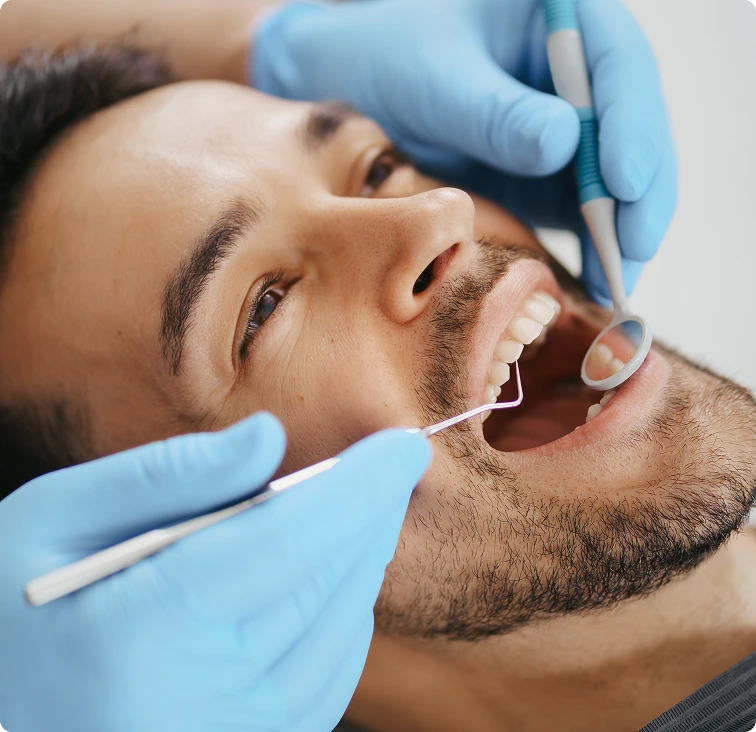
Anesthesia is administered for full comfort. Dr. Nesiba makes a small incision to expose the deficient ridge, prepares the recipient bone surface, and places the graft material – packing particulate graft, securing a block, or filling a fresh socket, depending on the plan. A barrier membrane is positioned over the graft, and the tissue is closed with sutures. Most ridge augmentation procedures are completed in a single appointment at our Denver surgical suite.
Grafting Materials Used
Several graft sources may be used, alone or in combination, based on the defect and your preferences:
- Autograft – your own bone, harvested from a nearby intraoral site, offering the best biological compatibility
- Allograft – processed, sterilized human donor bone
- Xenograft – highly purified bovine-derived mineral scaffold
- Alloplast – synthetic, biocompatible graft material
Dr. Nesiba also offers Platelet Rich Plasma (PRP), concentrated from your own blood, to enrich the graft site with growth factors that support healing and tissue regeneration.
Recovery and Aftercare
Expect mild to moderate swelling and soreness for the first several days, both manageable with prescribed or over-the-counter medication and cold compresses.
Key guidelines
- Stick to soft foods and avoid chewing on the surgical side
- Do not use straws, smoke, or vape – suction and nicotine both threaten graft stability
- Rinse gently as directed and avoid disturbing the site with your tongue or toothbrush
- Rest for 24 to 48 hours before returning to light activity
Healing Timeline Expectations
Soft tissue closes within one to two weeks, and sutures are removed or dissolve during that window. Bone regeneration takes longer: most sites require three to six months of integration before an implant can be placed, with larger block grafts occasionally needing more time – up to 9 months or longer in complex cases. We monitor progress with follow-up visits and repeat imaging, and confirm with a scan that the ridge is ready before proceeding to implant placement.
Ideal Candidates for Ridge Augmentation
You may be a strong candidate for ridge augmentation if you:

- Have been told you lack sufficient bone for a dental implant
- Are missing one or more teeth and want a permanent replacement
- Have a visible indentation or thin spot along your gumline
- Wear a denture or partial that has become loose as your jaw has flattened
- Have an upcoming extraction and want to protect the site
- Have lost bone to periodontal disease, trauma, or a previous failed implant
Good general health, controlled chronic conditions, and healthy gum tissue support successful grafting. Active smoking, uncontrolled diabetes, and untreated gum infection can compromise healing – we will discuss these openly and, when possible, address them before surgery.
Assessment and Evaluation
Your consultation begins with a clinical exam and a 3-D CBCT scan. This imaging measures bone width and height precisely and maps critical structures – the inferior alveolar nerve in the lower jaw and the sinus cavity above the upper jaw – so the graft is planned around them safely. Dr. Nesiba reviews the scan with you, explains exactly what is missing, and outlines the technique and timeline recommended for your anatomy.
A $50 consultation fee applies and is credited toward your procedure if you move forward. We recommend scheduling treatment within two to four weeks of your consultation, before the condition progresses further.
Benefits of Ridge Augmentation
Improved Jawbone Structure
Rebuilding the ridge restores the natural width and height of your jaw, supporting the overlying gum tissue and preserving the contour of the lower face. Patients who have lived with a collapsed ridge often notice a fuller, more balanced profile once the site has healed.
Enhanced Dental Implant Success
An implant placed into a fully rebuilt ridge is surrounded by bone on all sides, which improves initial stability, long-term integration, and the lifespan of the restoration. It also gives your surgeon freedom to place the implant in the ideal position for function and appearance, producing a crown that emerges naturally from the gumline.
Better Esthetics and Long-Term Oral Health
A healthy ridge does more than support an implant – it supports the appearance of your smile. Rebuilding lost bone helps maintain natural gum contours, preventing the sunken look that often develops after tooth loss. By restoring proper bone volume, ridge augmentation also makes it easier to clean around future restorations, supports healthier surrounding tissues, and helps preserve your jawbone for years to come.
Cost of Ridge Augmentation in Denver, CO
Ridge augmentation in Denver typically ranges from $800 to $4,500, depending on whether a single socket is preserved or a larger block graft is required. Pricing varies by provider, your anatomy, the graft materials selected, imaging needs, and sedation. The only way to know your number is a personalized treatment plan – call (303) 777-1603 and we will give you a clear, itemized quote after your evaluation.
Insurance and Financing
Cherry Creek Oral Surgery & Dental Implants accepts most dental insurance plans and is in-network with multiple insurance providers, including MetLife PPO. Our team verifies your coverage and provides a written breakdown of costs before you commit.
- CareCredit – instant credit decisions, simple application, no annual fee
- Alphaeon Credit – extended payment plans with no hidden fees
- All major payment methods accepted; invoices viewable anytime through your client portal
Why Patients
Choose Cherry
Creek Oral Surgery
- Triple-board-certified surgical leadership. Dr. John R. Nesiba holds certifications from the American Boards of Oral and Maxillofacial Surgery, Facial Cosmetic Surgery, and Cosmetic Surgery. He earned his DDS from the University of Nebraska in 2009 and completed training at the University of Nebraska Medical Center and LSU.
- A dedicated surgical environment. Grafting, implants, and sedation are performed in one specialized facility with 3-D CBCT imaging on hand for precise planning.
- Regenerative options included in the conversation. PRP is available to support your graft site with your body’s own growth factors.
- Care that continues past the operating room. Dr. Nesiba is known for a calm approach and meticulous technique, and our team stays with you through every follow-up until your ridge is ready for the next step – with every treatment plan built around your unique anatomy and goals.
Frequently Asked Questions (FAQs)
Is ridge augmentation painful?
The procedure is performed under local anesthesia, often with sedation, so you will not feel it. Afterward, most patients describe soreness and swelling rather than sharp pain, well controlled with the medication and cold therapy we recommend.
How long before I can get my implant?
Most patients wait three to six months for the graft to fully integrate; some cases require up to nine months. We confirm readiness with imaging before scheduling implant placement.
Will my body reject the graft?
Modern graft materials are processed to be biocompatible, and rejection is very uncommon. The greater risks to a graft are smoking, infection, and disturbing the site during early healing – all of which we help you avoid.
Can ridge augmentation be done at the same time as my extraction?
Often, yes. Socket preservation at the time of extraction is the most efficient way to protect the ridge and frequently prevents the need for a larger graft later.
Will my insurance cover ridge augmentation?
Many dental plans offer some coverage for bone grafting, especially when it is medically necessary for future restorative work. Our team will help you understand your benefits and submit claims on your behalf.
What happens if I don't get ridge augmentation when recommended?
Insufficient bone volume can prevent successful implant placement, compromise the stability and fit of dentures, and lead to further bone loss and an aged facial appearance.
Do I need someone to drive me?
If you are receiving IV sedation or general anesthesia, yes – a ride must be present at the start of surgery and remain available throughout.
Rebuild Your Foundation – Schedule Your Evaluation
Missing bone is not the end of the conversation about implants. It is the beginning of a plan. Let Dr. Nesiba show you exactly what your jaw needs and how we will rebuild it.