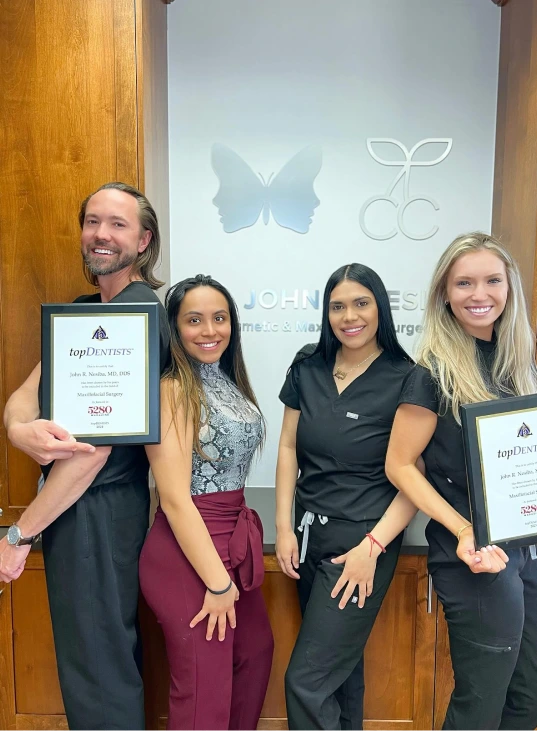

Socket Care
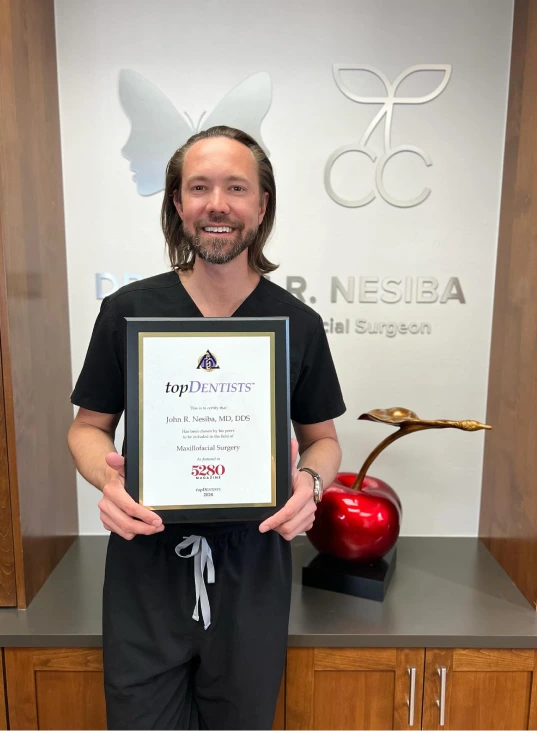
Cherry Creek Oral Surgery, located in Denver, offers advanced tooth extraction services tailored to each patient’s needs. Our triple-board-certified surgeon, Dr. Nesiba, ensures that every procedure is handled with the utmost precision and care. Whether a simple extraction or a more complex treatment, patients can achieve excellent results and protect their oral health. Our focus on comfort and advanced techniques allows for smoother and more efficient treatments. Cherry Creek Oral Surgery is a reliable choice for those seeking quality care in a supportive environment!
Tooth Extraction

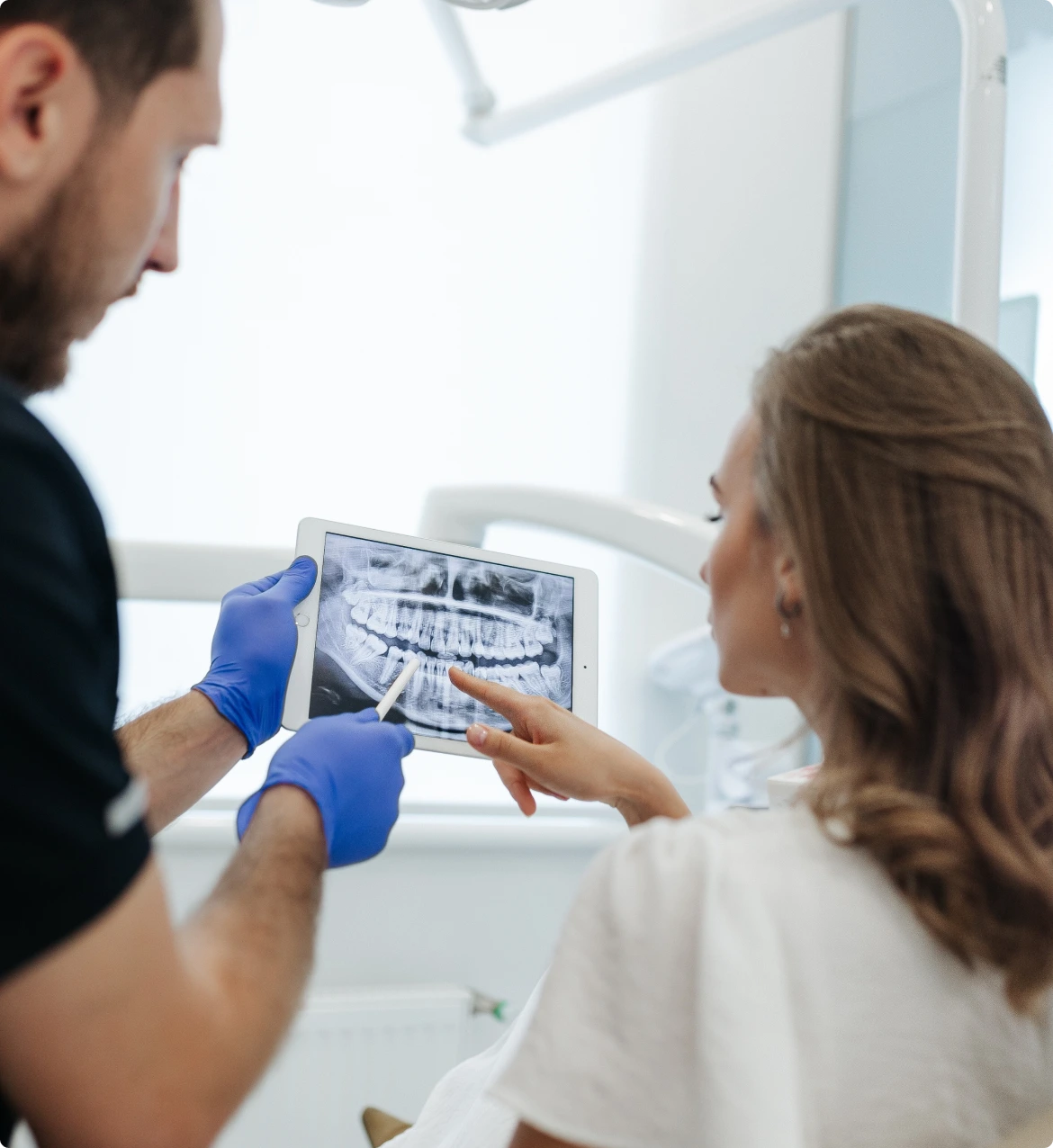
During the initial consultation, Dr. Nesiba evaluates the patient’s medical history, current medications, and any existing health conditions. X-rays are typically taken to assess the tooth’s position, root structure, and surrounding bone density. Dr. Nesiba also discusses anesthesia options, which may include local numbing, sedation, or general anesthesia, depending on the complexity of the extraction and the patient’s comfort level.
If stronger anesthetics are used, patients might need to fast and arrange transportation before the procedure. Antibiotics might be prescribed beforehand for individuals with certain medical conditions to prevent infection. Additionally, patients who smoke are typically advised to abstain from tobacco use before and after the procedure to promote proper healing.


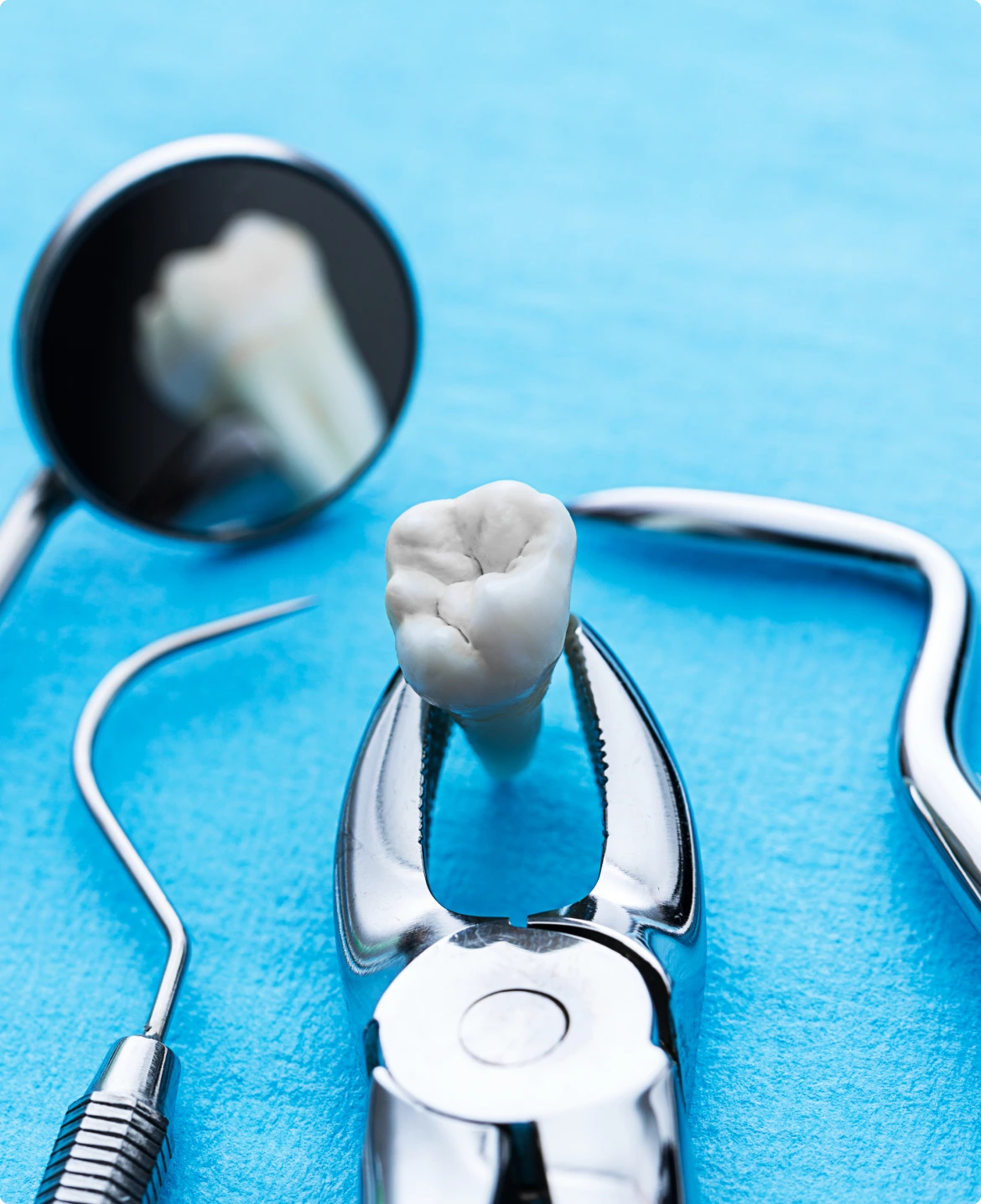
Swelling typically subsides within 48–72 hours, and soft tissue healing is usually complete in 1–2 weeks. If stitches were used, they will either dissolve on their own or require removal by Dr. Nesiba during a follow-up appointment. The entire process of healing and recuperation takes several weeks.
Because tooth extraction can lead to cosmetic concerns and functional issues, Dr. Nesiba offers several solutions for the missing tooth. One option is a dental implant, which looks and feels like a healthy, natural tooth. It can improve the patient’s smile and prevent food particles from being trapped in the space left after tooth extraction.
Tooth extraction costs in Denver range from $100 to $700 without insurance. Simple removals are cheaper, while surgical procedures involve higher expenses. Factors influencing the price include the complexity of the extraction, the specific tooth involved, and whether sedation is required.
Market surveys put a simple extraction at roughly $100 to $300 and a surgical extraction at $300 to $700 or more before insurance. These are regional averages rather than our fee. Your exact cost depends on the tooth, how much bone covers it and whether you choose sedation, so book a consultation with Dr. Nesiba for a written quote.
Most dental plans classify extractions as basic or major restorative care and cover a portion, often 50 to 80 percent after your deductible. Cherry Creek Oral Surgery is in-network with Delta Dental, Cigna, Aetna, Humana, MetLife, Guardian and more; our team verifies your benefits before the appointment. See the insurance and financing page.
Yes. You do not need a referral to see Dr. Nesiba. Many Denver patients come directly to our office for teeth that are broken below the gumline, impacted or near the sinus or a nerve, where a triple board-certified oral and maxillofacial surgeon is the safer choice.
The extraction itself should not hurt. The area is fully numbed, and most patients choose IV sedation so they are asleep. Afterward, expect soreness and swelling for two to three days that is usually controlled with the medication we prescribe and ice packs.
Unless it is a wisdom tooth, usually yes. The jawbone begins shrinking within months of an extraction. Dr. Nesiba can place a bone graft (socket preservation) at the time of removal to protect the site for a future dental implant.